
Child stunting: lessons from global history
Child stunting, being too short for one’s age, is widely seen as a problem of today’s poorer countries. A systematic review of data from 122 countries since the 19th century … Read more


Relations between population, resources and economic development. Population pressure and livelihoods. The role of environmental variables and climate change.
Child stunting, being too short for one’s age, is widely seen as a problem of today’s poorer countries. A systematic review of data from 122 countries since the 19th century … Read more

Yiang Li’s research on Americans born in the early 20th century shows that adults who grew up with multiple brothers and sisters, especially siblings close in age, experienced markedly faster cognitive … Read more

Richard Grossman joins the ongoing N-IUSSP debate on the sustainability of current and predicted population growth. He takes up several of the arguments that make David Lam moderately optimistic about … Read more

David Lam looks at the resource impact of the projected 2.1 billion increase in world population by 2084. He concludes that population change will increase demand for food and water, … Read more
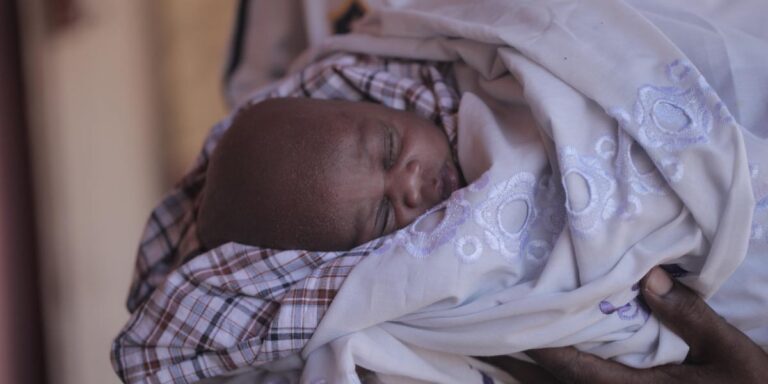
Liliana Andriano shows that heatwave exposure prior to birth causes lower birthweight. Given the implications for life-long health and well-being, the study provides insights for policymakers who are concerned with … Read more

The Chinese government attaches great importance to the construction of National Forest Cities, which have proved effective not only as part of the national low-carbon environmental strategy, but also as … Read more
On October 18, 2023, the International Union for the Scientific Study of Population (2023) broadcast a Yes-or-No debate on the statement: “The population of humans that can be supported sustainably … Read more
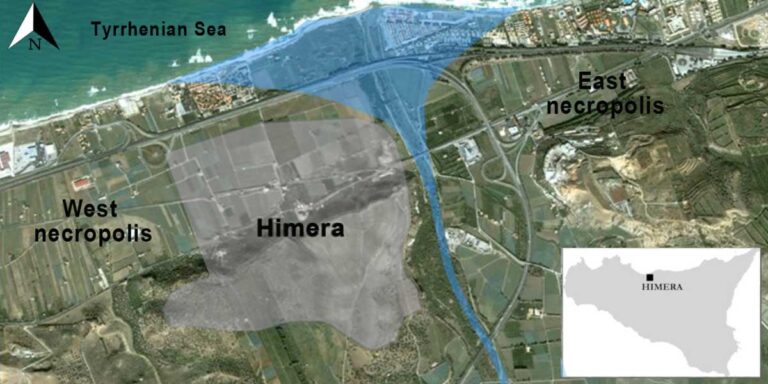
Between the 9th and 3rd centuries BCE, the Greeks founded more than 500 colonies throughout the Mediterranean basin. According to Norma Lonoce, Gianpiero Dalla-Zuanna, Pier Francesco Fabbri, Stefano Vassallo and … Read more
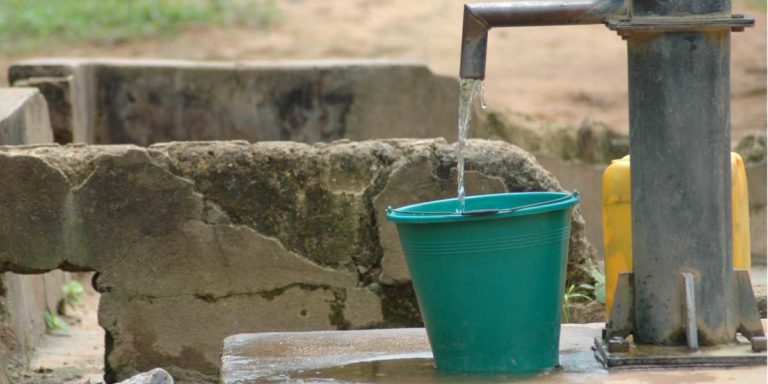
Studies on the distribution of human development across the globe tend to omit the variations that exist within countries. Iñaki Permanyer and Jeroen Smits fill this gap by developing a … Read more
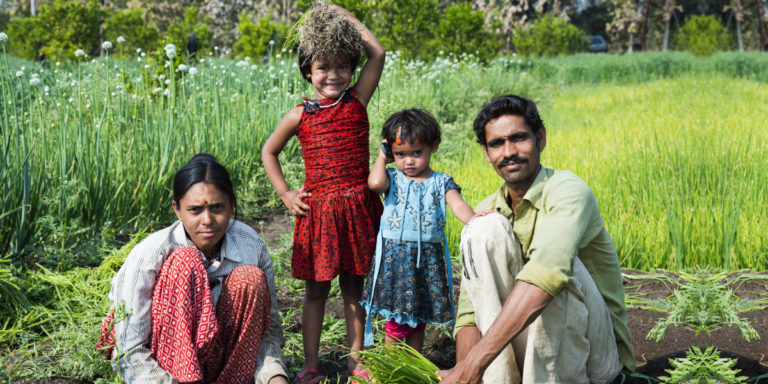
A striking contrast in demographic and development indicators emerges from a recent analysis of the 640 districts of India, which Sanjay K. Mohanty, Udaya S. Mishra, Rajesh K. Chauhan and … Read more

For the 2020 census round, Paolo Valente informs us that two-thirds of European countries plan to increase efficiency by using methods other than the traditional census based on paper questionnaires. Registers will … Read more

Decades of sweeping demographic, economic, and social change have radically transformed structures, gender roles, and intergenerational bonds of families worldwide, initially in high‐income countries (HICs), and more recently in low‐ … Read more
Following on from last week’s article, Massimo Livi Bacci details four specific threats to human survival (or, at least, quality of survival) that are directly linked to population growth. Four … Read more

In developing economies, transportation infrastructures are considered a growth factor. But is this still true when the economy matures? Bishal Kasu and Guangqing Chi answer this question using recent (1970–2010) … Read more
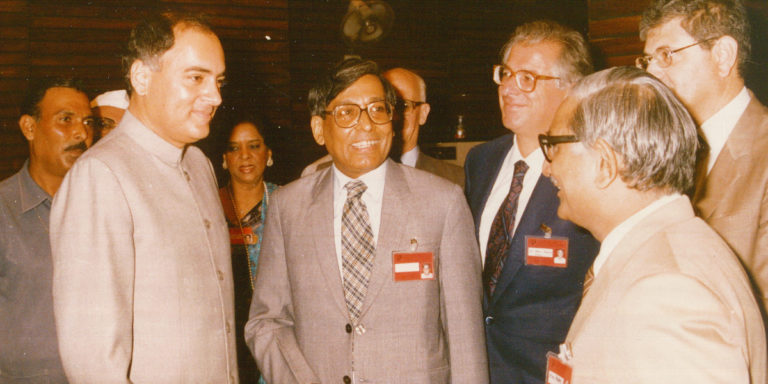
In the 90 years since its foundation in 1928, the International Union for the Scientific Study of Population (IUSSP), or simply the Union, has been very active in the field … Read more
Proving many experts’ forecasts wrong, large parts of Europe are witnessing population growth rather than stability or decline. Hannes Weber notes that this is having detrimental effects on the environment … Read more

The “population question”, central to the debate about humankind’s future since the 18th century, has slipped away from center stage and fallen into a coma in recent years. The international … Read more
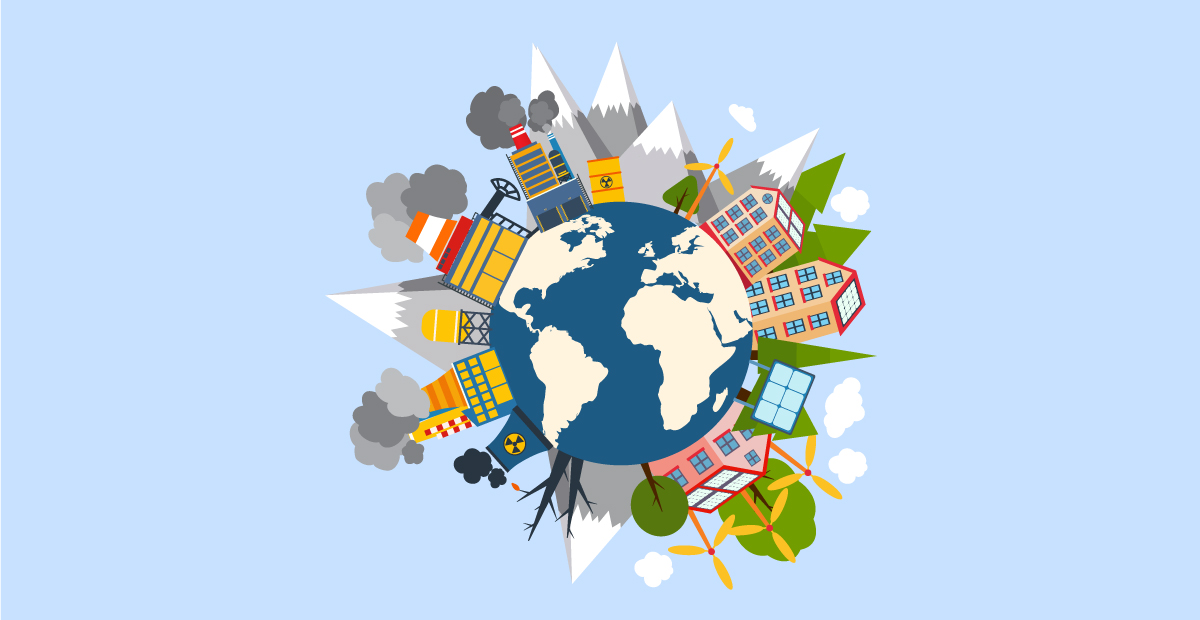
The debate in this forum between Lam (2017) and Grossman (2017) concerning the outlook for the world’s next four billion people is opportune. Both essays highlight critical issues and make … Read more

I was pleased to read Professor David Lam’s N-IUSSP essay “The world’s next 4 billion people will differ from the previous 4 billion” (Lam 2017). He outlines past, present and … Read more

As the consequences of climate change accumulate, many experts expect to see migration away from the world’s most impacted regions as people seek a climate and an economy that better … Read more
When the world population reached 7 billion in 2011, it marked the amazing addition of 4 billion people in just over 50 years, the world having attained the 3 billion … Read more

Civil Registration and Vital Statistics (CR/VS) is an essential administrative system in modern societies. The registration of births and deaths defines a number of basic rights and duties, and is … Read more
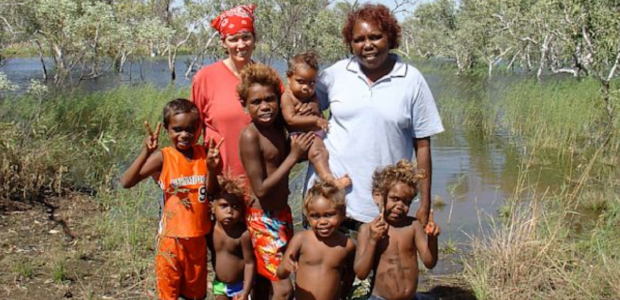
Australia’s Indigenous population Australia’s Indigenous population consists of its Aboriginal and Torres Strait Islander peoples. Aboriginal peoples are estimated to have settled the Australian continent approximately 50,000 years agowhilst the … Read more
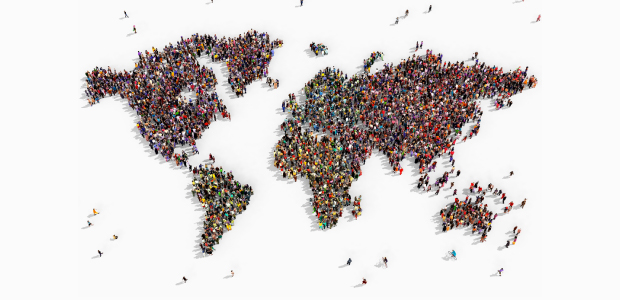
The demographic transition, i.e., the passage from the ancient to the modern demographic regime of low fertility and low mortality, can be a highly heterogeneous process, and its impact on … Read more
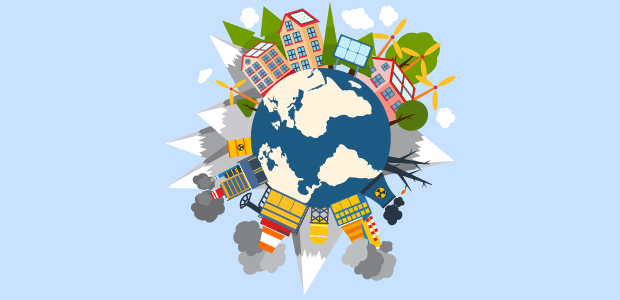
After decades of dithering, posturing and procrastination on global environmental issues, 2015 appeared to be a banner year for sustainability. Growing recognition of environmental threats finally triggered waves of public … Read more
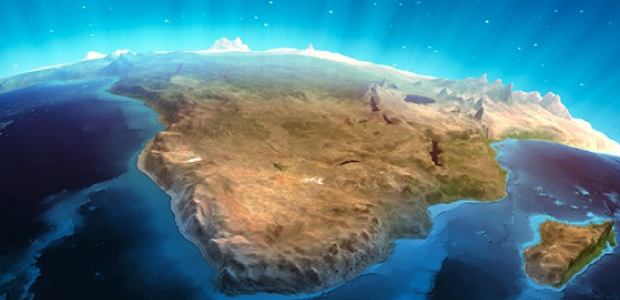
Introduction The need for timely and reliable mortality estimates is acute in Sub-Saharan Africa (SSA), and about half of all under-five deaths. Yet, there is considerable uncertainty as to mortality … Read more

From the writings of Plato (4th century BCE) on the population of the ideal Greek city, to the famous precept of Jean Bodin (1576) “the only wealth is man”, the … Read more

Advocacy is a funny thing. If you feel strongly enough about a cause, as everyone in international development does these days, it is no longer enough to campaign for something … Read more
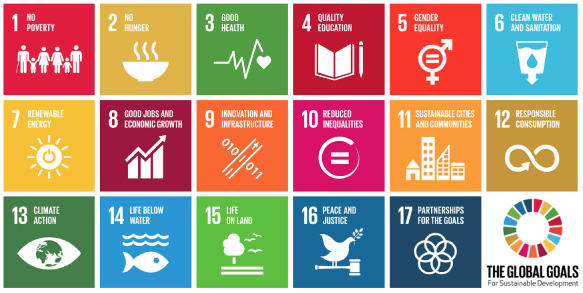
The United Nations Sustainable Development Summit was held in New York on 25-27 September 2015. The 193-member UN General Assembly formally adopted the ambitious agenda “Transforming Our World: 2030 Agenda … Read more
En économie, il est rare que l’on se hasarde à des prévisions au-delà de quelques années. Il n’y a guère que les climatologues pour faire tourner des modèles sur 100 … Read more

Examinons quatre types d’objectifs pouvant légitimer des politiques de population dans un contexte donné : réduire la mortalité (Vallin et Meslé, 2006), limiter la fécondité si la croissance démographique est trop … Read more
The present world population of 7.3 billion is projected to increase to 8.5 billion or more by 2030, with almost 90 percent of the increase occurring in the developing countries, … Read more
Toutes les sociétés humaines se sont efforcées d’influer sur la taille ou la composition de la population. Des écrits de Platon sur la population que devait comporter la cité grecque … Read more
Once upon a time, population was a central issue in the international debate on the future of the planet. Despite profound ideological and political differences among the major players of … Read more